Water damage is one of the most pressing challenges a property owner can encounter. Whether resulting from a burst pipe, leaking appliance, roof damage, or natural flooding, water intrusion can compromise structural integrity, damage personal property, and create an environment conducive to mold and mildew growth.
Effective remediation is crucial to restoring affected areas safely and preventing further deterioration. Expert Water Damage Remediation Salt Lake City services provide a systematic, professional approach that ensures complete recovery while prioritizing safety, efficiency, and long-term protection for any property.
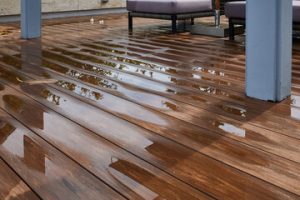
Understanding the Impact of Water Damage
Water damage is not simply about wet floors or ceilings. Moisture can infiltrate structural components, insulation, and hidden cavities, creating long-term risks if left untreated. Common consequences include:
- Structural Damage: Prolonged exposure to water can weaken wood, drywall, subflooring, and foundations, leading to warping, sagging, or even structural failure.
- Mold and Mildew Growth: Moisture provides an ideal environment for mold and mildew, which can develop within 24–48 hours after water exposure. Mold growth poses significant health risks and can damage materials.
- Electrical Hazards: Water exposure near electrical systems can create short circuits or fire risks.
- Property Loss: Personal belongings, furniture, and electronics may sustain permanent damage without proper remediation.
Because many of these issues are not immediately visible, professional remediation is essential. It addresses both the obvious and hidden consequences of water intrusion to ensure safe and effective restoration.
Common Causes of Water Damage
Water damage can occur from various sources, each requiring tailored remediation strategies:
- Plumbing Failures: Burst or leaking pipes, faulty faucets, and water heater malfunctions can release large volumes of water.
- Appliance Malfunctions: Washing machines, dishwashers, and refrigerators may overflow, causing localized flooding.
- Roof Leaks: Damaged shingles, worn flashing, or blocked gutters allow rainwater to enter interior spaces.
- Natural Flooding: Heavy rain, storms, or rising water levels can inundate both residential and commercial properties.
- Sewer Backups: Contaminated water from sewer lines requires specialized cleaning to ensure safety.
Professional remediation services are equipped to handle all these scenarios, providing fast, thorough, and safe solutions to restore properties effectively.
The Importance of Prompt Remediation
Time is a critical factor in water damage recovery. Delays can exacerbate damage, increase costs, and allow mold growth to accelerate. Prompt remediation offers several benefits:
- Reduces Structural Damage: Quick water removal minimizes warping, cracking, and weakening of building materials.
- Prevents Mold Growth: Mold can begin to grow within hours, making early intervention essential.
- Ensures Safety: Removing standing water and addressing moisture prevents slip hazards, electrical issues, and microbial contamination.
- Cost Savings: Early remediation reduces repair expenses by preventing long-term deterioration and property loss.
Expert remediation teams prioritize rapid response to stabilize the property and mitigate further damage efficiently.
The Professional Water Damage Remediation Process
Effective water damage remediation involves a systematic approach to ensure comprehensive recovery. The typical process includes:
1. Inspection and Damage Assessment
The first step is a thorough inspection to evaluate the extent of water intrusion. Professionals identify the source of the water, assess affected areas, and classify the type of water involved (clean, gray, or black water), which determines the level of treatment required. Advanced tools, such as moisture meters, thermal imaging cameras, and hygrometers, detect hidden water in walls, subfloors, and insulation.
2. Water Extraction
After assessment, standing water is removed using high-capacity pumps and industrial-grade vacuums. Fast and efficient water extraction reduces the risk of further damage to structural components, furniture, and other valuable items. This stage sets the foundation for successful drying and remediation.
3. Drying and Dehumidification
Following water removal, drying and dehumidification are essential to remove residual moisture. Air movers and industrial dehumidifiers ensure that both visible and hidden areas are thoroughly dried. Continuous moisture monitoring confirms that structural elements, subfloors, and wall cavities are free from lingering water that could lead to mold or further deterioration.
4. Cleaning and Sanitization
Water damage often leaves behind contaminants, odors, and debris. Professional remediation includes deep cleaning and sanitization to restore a safe and hygienic environment. In cases involving contaminated water, specialized cleaning agents neutralize bacteria, viruses, and other pathogens, reducing health risks for occupants.
5. Structural Repairs and Restoration
The final stage involves repairing or replacing damaged materials, including drywall, flooring, insulation, and other structural components. The objective is to return the property to its pre-damage condition while ensuring durability and safety. Expert remediation ensures repairs are performed correctly and efficiently to prevent future issues.
Preventing Mold Growth After Water Damage
Mold is one of the most serious consequences of water damage. It thrives in damp, poorly ventilated spaces and can cause significant health and property problems. Professional remediation services focus on mold prevention through:
- Immediate Water Removal: Eliminates the moisture necessary for mold growth.
- Thorough Drying: Ensures all areas, including hidden cavities, are free from residual moisture.
- Sanitization: Uses cleaning agents to remove spores and bacteria.
- Post-Restoration Monitoring: Confirms that moisture levels remain safe, preventing delayed mold growth.
By addressing water damage and mold risks simultaneously, expert remediation protects both the property and occupant health.
Health and Safety Considerations
Water damage presents multiple health and safety hazards. Contaminated water may contain bacteria, viruses, and harmful chemicals, while mold growth can negatively impact indoor air quality.
Professional remediation teams prioritize safety by:
- Use personal protective equipment (PPE) during cleanup.
- Isolating affected areas to prevent cross-contamination.
- Following industry standards for handling contaminated water and materials.
This ensures that the property is restored safely, protecting both the occupants and remediation workers.
Residential Water Damage Remediation
Homes are particularly vulnerable to water damage due to plumbing systems, daily water use, and valuable personal belongings. Residential remediation focuses on:
- Salvaging furniture, electronics, and other personal items.
- Restoring structural elements such as flooring, walls, and ceilings.
- Ensuring a safe and comfortable living environment for occupants.
Prompt professional remediation minimizes disruption to daily life and prevents long-term structural damage.
Commercial Water Damage Remediation
Commercial properties face unique challenges when water damage occurs. Business operations may be disrupted, inventory compromised, and employee or client safety affected. Expert commercial remediation emphasizes:
- Rapid response to minimize downtime and financial losses.
- Comprehensive restoration to protect structural integrity and business assets.
- Efficient cleanup to allow operations to resume safely and quickly.
Professional remediation services help commercial property owners maintain business continuity while safeguarding property and personnel.
Advanced Equipment and Expertise
Expert water damage remediation relies on advanced technology and industry knowledge. Moisture meters, thermal imaging cameras, industrial dehumidifiers, and high-capacity water extractors enable professionals to detect hidden damage, remove water efficiently, and dry structural components effectively.
Trained technicians understand how different building materials respond to water, ensuring proper methods are applied to avoid further damage. This combination of technology and expertise ensures safe, effective, and lasting restoration.
Preventive Measures for Future Protection
Preventing water damage is as important as remediation. Property owners can reduce risks by:
- Regular Inspections: Check plumbing, roofing, and drainage systems for wear and leaks.
- Routine Maintenance: Clear gutters, repair minor leaks, and replace aging fixtures.
- Waterproofing: Reinforce basements, foundations, and other vulnerable areas.
- Monitoring Systems: Install water sensors or alarms to detect leaks early.
By combining preventive strategies with professional remediation, properties are better protected from recurring water damage and mold problems.
Choosing Professional Water Damage Remediation Services
Selecting the right remediation provider is critical for successful restoration. Professional services offer:
- Fast Response: Immediate intervention to limit damage and prevent mold growth.
- Comprehensive Solutions: Full-service restoration including assessment, water removal, drying, cleaning, and repairs.
- Advanced Technology: Industrial-grade equipment for efficient and thorough remediation.
- Skilled Technicians: Certified professionals trained in safety protocols and water damage restoration.
- Clear Communication: Transparent guidance on process, timeline, and costs.
Engaging experienced professionals ensures that water damage is addressed effectively and safely, resulting in complete property recovery.
Long-Term Benefits of Expert Remediation
Investing in professional water damage remediation provides long-term advantages:
- Preservation of structural integrity.
- Prevention of mold growth and recurring damage.
- Protection of personal property and valuable assets.
- Improved safety and indoor air quality.
- Maintenance of property value and functionality.
Expert remediation ensures both immediate restoration and lasting protection, giving property owners peace of mind.
Water damage is a serious threat to any property, with potential consequences ranging from structural deterioration and property loss to mold growth and health hazards. Expert water damage remediation services provide a safe, systematic, and efficient approach to restoring properties fully.
Through rapid response, advanced equipment, thorough drying, cleaning, and structural repairs, professional remediation ensures properties are returned to a safe and functional condition. Homeowners and commercial property owners alike benefit from faster recovery, minimized damage, and protection against future issues.
With expert water damage remediation, safe and effective restoration is not only achievable—it ensures long-term durability, occupant safety, and the preservation of property value.