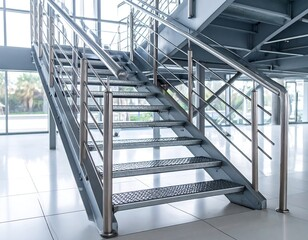
Stair railings can be made from a wide range of materials. Wood admits curves, turned spindles and carved details, while Steel Stairs and Railings offer styles from slender rods to panels of straight lines for a minimalist look.
Aluminum systems are a popular option because of their versatility and durability. They’re also lightweight and require very little maintenance to keep their attractive appearance.
Cost
There are a number of factors that determine the cost of a staircase railing system. The material type plays a big role, as does the design complexity and other options. Adding features like integrated lighting or ADA-compliant handrails increases the overall price. Installation and machining costs also play into the final estimate.
Steel and aluminum are both durable materials that can withstand a range of weather conditions. They’re popular in commercial spaces because of their versatility, durability and modern aesthetics. Stainless steel is a popular choice for industrial environments due to its high strength and durability, while aluminum offers a cost-effective alternative. These options are also easy to install and require minimal maintenance, which translates into lower long-term expenses.
Wood railings offer a more classic look and go well with older or cottage-style homes. They can be stained or painted to match the surrounding decor, but it adds to the project’s overall cost. Wood railings require more frequent upkeep than metal ones, and they’re more prone to damage from wear and tear.
For a more contemporary appearance, glass railings are a great option. They’re available in a variety of colors, tints, and textures to create a custom look that’s unique to your home. Our experts can craft a glass railing that’s safe and stylish, reflecting your personal style while adhering to building codes and engineering standards.
If you’re looking for a low-cost alternative to stainless steel, consider using brushed aluminum. This material is a good choice for outdoor use because of its corrosion resistance and minimal upkeep requirements. It also has a more lightweight feel than stainless steel, which can help prevent accidents and injuries. Brushed aluminum is also a good choice for curved staircases because of its flexibility and ability to conform to the shape of the stairs. In addition to reducing the weight of your stairway, it’s also eco-friendly because it’s recyclable and uses less energy during production. This helps to reduce pollution and greenhouse gas emissions. The only downside is that brushed aluminum doesn’t resist fingerprints and smudges as easily as other materials.
Durability
Steel is a strong, durable material that can withstand the test of time. It also doesn’t rust easily, making it ideal for outdoor use or wet environments. Plus, stainless steel handrails offer a sleek appearance that suits a variety of architectural styles and design themes. In addition, it is cost-effective and easy to maintain, making it an excellent choice for homeowners looking to upgrade their staircase.
Modern stair railings are redefining safety by offering the perfect balance of style and practicality. These sophisticated railings are a perfect example of the integration of beauty and durability that many home remodelers seek. Stair railings can be crafted from a wide range of materials, from bold metal railings to refined wood or glass balusters. Their streamlined design enhances the visual continuity of your space, helping to make it feel more spacious and inviting.
When it comes to choosing the right stair railing for your home or business, the most important factor is durability. Your stair railing needs to be able to withstand heavy foot traffic and other stresses, such as impacts. It should also be strong enough to protect people from falling off the side of the stairs. Stair railings are available in a variety of materials, including wood, aluminum and steel. Each type of stair railing has its own benefits and drawbacks.
While wood may seem like a safe choice, it can become outdated quickly. It can be difficult to keep wood clean, and it’s vulnerable to water damage. Moreover, it can be a fire hazard if not properly maintained.
Another option is metal stair railings, which are extremely durable and long-lasting. They can be made of steel or aluminum, depending on the environment and design style you want. Aluminum stair railings are often used indoors in commercial or industrial settings, while steel is more commonly seen outdoors. Aluminum stair railings are typically anodized or powder-coated, which protects them from corrosion and requires minimal maintenance.
Steel stair railings are an excellent option for high-traffic areas, as they’re strong and durable and have a sleek look. However, they can be costly if you opt for a custom design or an ornate one.
Maintenance
The strength and durability of steel makes it a popular choice for many modern staircases. It can also be crafted to a variety of styles that suit a wide range of homes and businesses. However, like other types of materials, it requires regular maintenance to keep it in good condition. The main maintenance concern for steel stair railings is rust, which can occur if the metal is not treated regularly. The best way to avoid this is to use a protective coating. The coating should be applied to the bare metal surface and reapplied every year. In addition, the coating must be kept clean to prevent damage from dirt and moisture.
Stairs made of wood have been a common feature in houses for years, but their popularity has declined as new materials have become available. Wood is easy to work with and comes in a variety of colors and finishes. It can be stained or painted to match a room’s décor, making it an inexpensive option for home remodeling projects. Wood railings are also easy to maintain and clean, but can be difficult to repair if damaged.
If you want to make your stairway look more modern, horizontal balusters are a good choice. They offer a sleek, contemporary appearance and meet the latest safety standards. They are also relatively easy to install, as they don’t require special tools or heavy machinery.
Stainless steel and aluminum railings are another popular choice for a modern staircase. They offer a sleek, sophisticated aesthetic and are suitable for both residential and commercial spaces. They can be fashioned into a variety of designs, including art deco and vintage ornamental styles. These railings are a great choice for high-traffic areas, because they can withstand a lot of wear and tear.
Stairway landings are a level platform that provides a place for people to stop while they are climbing a flight of stairs. They are used to protect people from falling off the staircase and help them to safely navigate between floors. Stairway landings should be at least 30 inches deep and 22 inches wide, and they must be protected by standard 42-inch handrail systems. Stairway landings should be located on both sides of the staircase, but they are most commonly found on the closed or wall side. Wall-mounted handrails are available in a number of styles, including pigs ear and mopstick.
Aesthetics
Aesthetics matter, and stair railings play an important role in elevating the look of any space. Metal stair railing ideas are available in sleek and refined designs that balance safety with contemporary style. They can also be customized to meet unique needs and tastes, integrating seamlessly into any design theme.
Modern horizontal bar railings offer an unbroken visual line that complements any architectural style. They can be crafted in a variety of materials, each providing a different texture and finish. Some options are better suited for certain environments, such as brushed stainless steel, which is known for its fingerprint- and smudge-resistance. This feature makes it an excellent choice for high-traffic areas where a clean appearance is essential.
Aluminum is another popular stair railing material. It’s lightweight, yet durable and can be easily shaped to fit any space. It’s also more resistant to environmental damage than wood, which requires regular maintenance to prevent rot and deterioration. Aluminum is also an excellent choice for docks, where the constant movement of passengers and boaters can stress a wooden system.
While a steel or aluminum system may cost more upfront than a wood option, the long-term savings on maintenance costs can pay for the initial investment within a few seasons. Wood splinters and rots over time, and the cost of frequent seals, repairs, and replacements can add up quickly. Aluminum, on the other hand, resists issues like algae buildup, rust, and weathering, requiring minimal upkeep to maintain a new-look appeal.
In addition, the durability of a metal stair railing system can help prevent damage from natural disasters like hurricanes. Wood can easily become airborne during a severe storm, while aluminum’s lighter weight limits the stresses placed on anchor points.
In general, a metal stair railing is the best option for anyone looking to make a statement with their home or business. Whether you’re renovating a commercial building or updating your residential property, metal railings are a stylish and safe solution that meets strict safety standards without compromising aesthetics. They’re also customizable, allowing you to match them with other metal components for a seamless upgrade.